The Hidden Cost of 'Cheap' Printers
Why a $200 'budget' printer often ends up costing more than a $1,000 flagship in the long run.
The allure of the $199 3D printer is powerful. For a beginner, it seems like a low-risk entry point into the world of engineering and tinkering. But in 2026, the ‘budget’ printer market has become a trap of hidden costs, lost time, and failed projects.
If you are looking at your first purchase, or upgrading a farm, you need to look past the sticker price. The true cost of a 3D printer is measured over its first 1,000 hours of operation, not the day it arrives.
The ‘Upgrade’ Tax
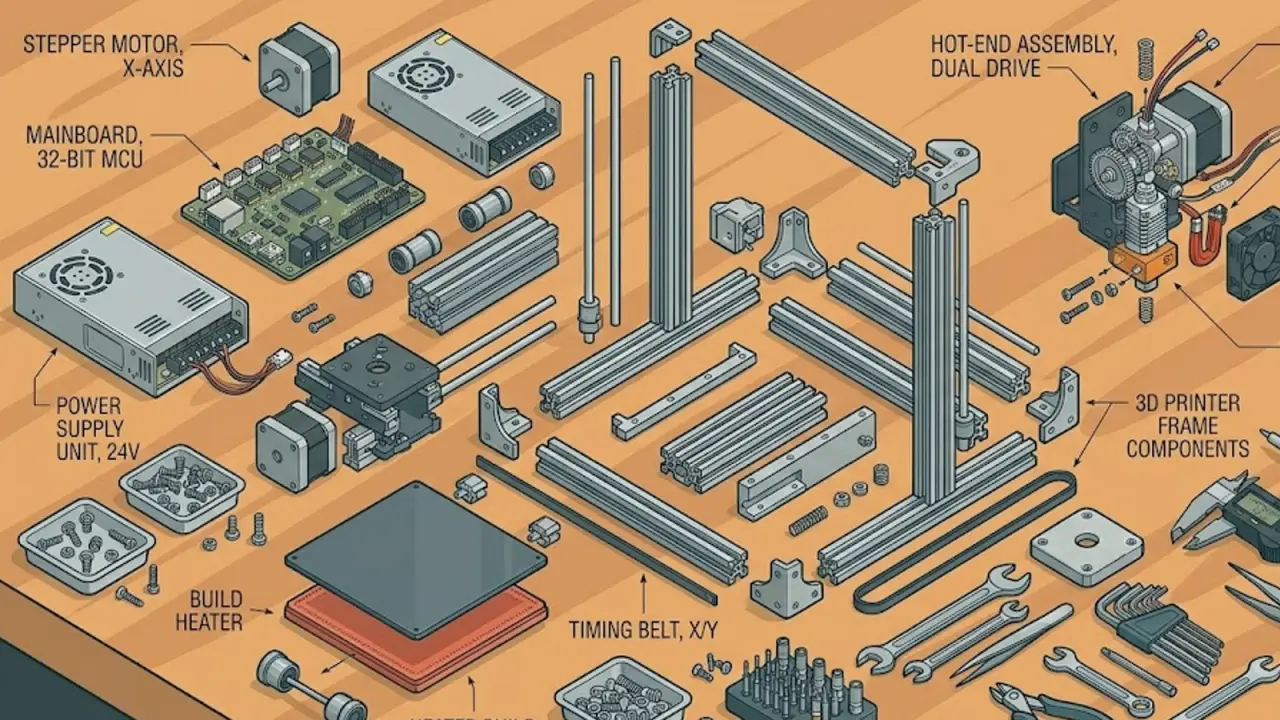
Budget printers are often sold as ‘platforms.’ They come with plastic extruders, weak springs, and uninsulated beds. To make them reliable, you inevitably spend another $200 on a silent mainboard, a direct-drive kit, and a PEI build plate. By the time the printer is ‘good,’ you have spent $450 and ten hours of manual labor—getting you dangerously close to the price of a high-end, out-of-the-box machine.
The Value of Your Time
In 2026, the most expensive component in your workshop is your time. A cheap printer requires constant ‘tinkering’—leveling the bed, unclogging the nozzle, and fighting with bed adhesion.
If a $1,000 flagship printer works 99% of the time, and a $200 budget printer works 70% of the time, you are losing hours every week to troubleshooting. If you value your time at even $25/hour, the budget printer becomes the more expensive machine within the first month of ownership.
Success Rate and Material Waste
Every failed print is money thrown in the trash. Budget machines lack the advanced sensors found in 2026 prosumer gear, such as:
- Resonance Compensation: Preventing ‘ghosting’ at high speeds.
- Spaghetti Detection: AI-powered cameras that stop the print when things go wrong.
- Flow Calibration: Automatically adjusting for different filament diameters.
Without these, your failure rate will stay high. Over a year, the cost of wasted filament from failed prints on a cheap machine can easily exceed $300. When you add up the upgrades, the wasted plastic, and the hours spent fixing rather than creating, the ‘expensive’ printer is actually the only one you can afford.