Featured

Latest
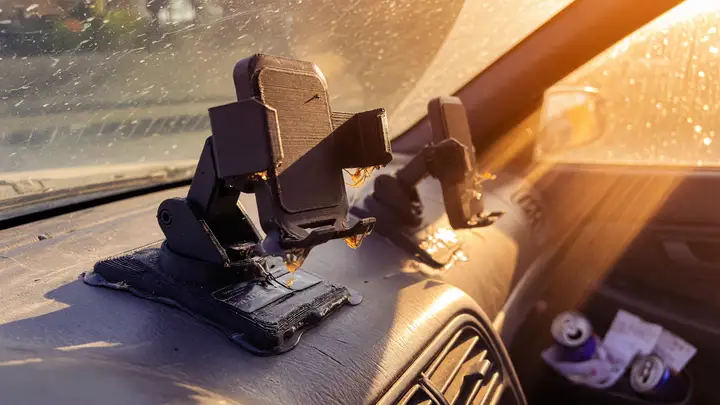
3D Printed Car Parts: Which Materials Can Withstand Summer Car Interior Heat?
Learn which 3D printing filaments survive extreme car cabin heat (up to 82°C). Full comparison of PLA, PETG, ABS and ASA with temperature data and recommendations.
Car interiors get brutally hot on sunny days. Leave a car outside when it’s 25 °C and the cabin can climb to 117–154 °F (47–68 °C) inside an hour. Dashboards and phone mounts often run hotter still, past 157–180 °F (69–82 °C) . Most everyday filaments simply can’t take that kind of sustained heat, which is why material choice decides whether a printed part survives or sags. Measured Cabin Temperatures vs. Filament Limits Real world automotive studies show the same numbers repeatedly. Dashboard surfaces regularly...
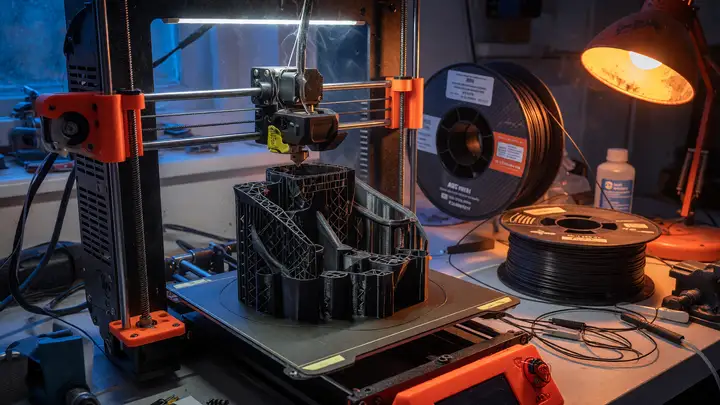
3D Printing with Engineering Materials: Guide for ABS, ASA, and Nylon (PA)
Compare ABS, ASA, and Nylon for functional 3D printing. Covers temperatures, enclosures, mechanical properties, pricing, warping fixes, and hardware setup.
Picking the right filament for functional prototypes usually boils down to one question: will the part hold up to real heat, impact, and whatever environment it ends up in? ABS, ASA, and Nylon can handle that kind of abuse, but each one needs its own hardware setup and handling—nothing like the simple PLA workflow most people start with. Temperature and Enclosure Requirements All three materials want a warm chamber. Without it, larger parts warp or split between layers. ABS runs best at 230–255 °C nozzle and...